Your Tooth Hurts When You Bite but Looks Fine: What's Really Going On?
Tooth hurts when biting but looks fine? Learn what may cause hidden tooth pain, including cracks, pulp inflammation, infection, and when to see a Sudbury endodontist.
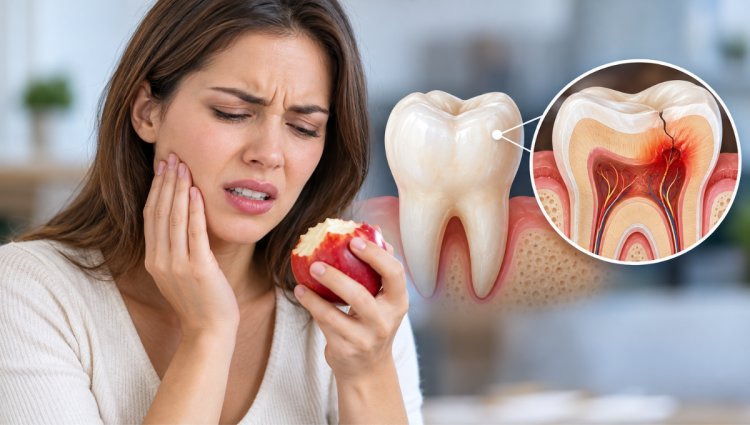
Have you ever bitten into your favorite food and suddenly felt a sharp pain in one tooth—even though the tooth looks completely normal?
Tooth pain when biting can be confusing. There may be no obvious cavity, crack, discoloration, or swelling, yet putting pressure on the tooth causes discomfort. That does not necessarily mean the problem is minor. Sometimes the source of the pain is beneath the visible surface of the tooth.
At Sudbury Endodontics, we understand how frustrating unexplained tooth pain can be. Our goal is to carefully identify the cause of your symptoms, explain your treatment options, and help preserve your natural tooth whenever possible.
Quick Answer
If your tooth hurts when you bite but looks fine, the cause may be a small or hidden crack, inflammation of the dental pulp, an infection, trauma, decay beneath an existing restoration, or a problem with a previously treated tooth.
A tooth does not have to look damaged on the outside to have a problem inside.
Because several dental conditions can produce similar symptoms, the best way to determine what is happening is through a professional dental or endodontic evaluation.
What Is Tooth Pain When Biting?
Tooth pain when biting is discomfort that occurs when pressure is placed on a particular tooth while chewing or closing your teeth.
The pain may feel sharp, dull, throbbing, or tender. Some people notice it when they bite down, while others feel discomfort when they release their bite. In some cases, the pain comes and goes, making it difficult to identify exactly which tooth is responsible.
The location and timing of the pain can provide useful clues, but symptoms alone cannot determine the exact cause.
A recent Sudbury Endodontics article on tooth pain when chewing discusses several possible causes, including cracked teeth, inflammation, infection, trauma, and problems following root canal treatment.
Why Does My Tooth Hurt When I Bite If It Looks Fine?
There are several possible explanations for a tooth that looks normal but hurts under pressure.
A Small or Hidden Crack
One of the most common concerns with biting pain is a cracked tooth.
Not every crack is easy to see. Some cracks may be extremely small, located beneath the gumline, or positioned where they are difficult to detect during a routine visual inspection.
A cracked tooth may cause:
-
Sharp pain when biting
-
Pain when releasing your bite
-
Sensitivity to hot or cold
-
Intermittent discomfort
-
Pain that is difficult to locate
At Sudbury Endodontics’ cracked teeth treatment page, patients can learn more about how cracked teeth are evaluated and treated using advanced diagnostic technology.
Inflammation or Infection Inside the Tooth
The visible portion of your tooth is only part of the story. Inside the tooth is the dental pulp, which contains nerves and blood vessels.
If the pulp becomes inflamed or infected because of decay, a crack, trauma, or another problem, the tooth may become painful when pressure is applied.
In some cases, a tooth can look relatively normal on the outside even when the tissue inside is experiencing significant inflammation.
When the pulp is damaged or infected and the tooth can be preserved, root canal treatment at Sudbury Endodontics may be recommended to address the problem inside the tooth.
A Previous Root Canal May Be Causing New Symptoms
If the painful tooth has already had a root canal, recurring or new pain deserves attention.
A previously treated tooth can sometimes develop new problems or fail to heal as expected. Symptoms may include pain when chewing, tenderness, swelling, or recurring discomfort.
In these situations, an endodontist can evaluate the tooth and determine whether additional treatment may be appropriate.
Endodontic retreatment can provide another treatment option for certain previously treated teeth.
Dental Trauma Can Affect a Tooth Without Obvious Damage
A tooth may also become painful after an accident, sports injury, fall, or other impact—even when there is no obvious visible fracture.
Trauma can affect the pulp and supporting tissues around the tooth. Symptoms may appear immediately or develop later.
If your biting pain started after an injury, tell your dentist or endodontist about the incident. A careful evaluation can help determine whether the tooth has experienced internal damage.
Benefits / Risks / Options
Ignoring tooth pain simply because the tooth looks normal can make it tempting to wait and see what happens. However, persistent or recurring pain should not be dismissed.
Why Early Evaluation Can Help
An evaluation can help determine whether your symptoms are related to:
-
A cracked or fractured tooth
-
Pulp inflammation or infection
-
Dental trauma
-
Tooth decay
-
A problem with a previous root canal
-
Inflammation around the root
-
Another dental condition
The appropriate treatment depends on the underlying cause.
For example, some cases may only require monitoring or restorative care, while others may require endodontic treatment such as root canal therapy. In selected cases involving persistent problems around a previously treated root, an apicoectomy may be considered.
The important point is that treatment should be based on the condition of the tooth—not simply on how the tooth looks.
What to Expect During an Endodontic Evaluation
If you visit Sudbury Endodontics because your tooth hurts when you bite, the goal is to understand exactly where the pain is coming from and why.
Step 1: Discuss Your Symptoms
Your endodontist will want to know when the pain began, what triggers it, whether it occurs when biting down or releasing your bite, and whether you have noticed sensitivity to hot or cold.
Your dental history, including previous fillings, crowns, root canals, or injuries, can also provide important information.
Step 2: Examine and Test the Tooth
The affected tooth and surrounding tissues may be carefully examined.
Depending on your symptoms, testing may include checking how the tooth responds to different stimuli and evaluating tenderness when pressure is applied.
Step 3: Use Appropriate Imaging and Develop a Treatment Plan
Dental X-rays or other appropriate imaging may be used to help evaluate the tooth and surrounding structures.
Once the findings are understood, your endodontist can explain what may be causing the discomfort and discuss appropriate treatment options.
The goal is not simply to treat the symptom—it is to identify the underlying problem and determine how the natural tooth can be preserved whenever possible.
Tooth Pain When Biting in Sudbury, MA
If you live in Sudbury, MA, or a nearby community and have a tooth that hurts when chewing even though it looks normal, an endodontic evaluation may help uncover the source of the problem.
Sudbury Endodontics LLC focuses on conditions involving the inside of the tooth, including root canal problems, cracked teeth, dental trauma, and other endodontic concerns.
The practice provides personalized care in a comfortable, stress-free environment and uses modern techniques and technology to support accurate diagnosis and treatment.
For patients experiencing dental trauma, Sudbury Endodontics’ traumatic dental injury services provide specialized care for injured teeth and related endodontic problems.
Why Choose Sudbury Endodontics?
Choosing an endodontic specialist can be particularly helpful when the cause of tooth pain is difficult to identify or may involve the pulp, root canal system, or surrounding tissues.
At Sudbury Endodontics LLC, the team emphasizes:
-
Personalized treatment planning
-
A warm and welcoming environment
-
Modern endodontic technology
-
Precise diagnostic and treatment techniques
-
Comfort-focused care
-
Preservation of natural teeth whenever possible
-
Evidence-based dentistry
The practice also treats a range of endodontic conditions, including root canal problems, cracked teeth, retreatment cases, apicoectomy cases, and traumatic dental injuries.
Frequently Asked Questions
Why does my tooth hurt when I bite down but not when I am resting?
Pain that occurs specifically with biting can have several causes, including a crack, inflammation around the tooth, pulp problems, or other dental conditions. A professional examination is needed to determine the cause.
Can a cracked tooth look completely normal?
Yes. Some cracks can be difficult to see, particularly when they are small or located in less visible areas. A tooth may therefore look normal while still producing pain when biting.
Does pain when biting always mean I need a root canal?
No. Pain when biting has several possible causes, and not every cause requires root canal treatment. The appropriate treatment depends on what is actually causing the pain.
What if my tooth hurts when I bite after a root canal?
A previously treated tooth that develops new or recurring pain should be evaluated. Depending on the cause and condition of the tooth, endodontic retreatment or another treatment option may be considered.
When should I see an endodontist for tooth pain?
Consider seeking an evaluation when biting pain is persistent, keeps returning, becomes more severe, or occurs with symptoms such as prolonged hot or cold sensitivity, swelling, tenderness, discoloration, or a history of dental trauma.
If you experience severe pain or facial swelling, prompt professional attention is especially important.
Conclusion: Don't Ignore a Tooth That Hurts When You Bite
A tooth that hurts when you bite but looks fine can still have an underlying problem. Cracks, pulp inflammation, infection, trauma, and previous root canal complications may not always be visible from the outside.
The good news is that unexplained biting pain can be evaluated. The sooner the cause is identified, the sooner you can understand your treatment options and determine whether the natural tooth can be preserved.
If you're experiencing persistent or recurring tooth pain when biting in Sudbury, MA, Sudbury Endodontics is here to help with personalized, specialized endodontic care.
Contact Sudbury Endodontics LLC
Sudbury Endodontics LLC
111 Boston Post Rd, Ste 215
Sudbury, MA 01776, United States
Phone: (978) 908-3636
Email: Root@sudburyendo.com
Office Hours:
Monday–Friday: 9:00 AM–5:00 PM
Saturday–Sunday: Closed
To request an evaluation, visit the Sudbury Endodontics contact page.
What's Your Reaction?