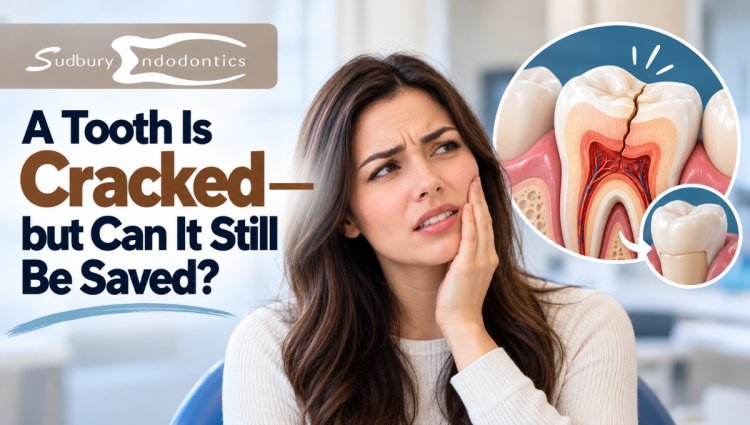
A Tooth Is Cracked—but Can It Still Be Saved?
Is your tooth cracked? Discover when a cracked tooth can be saved, treatment options, warning signs, and how advanced endodontic care can protect your natural smile.
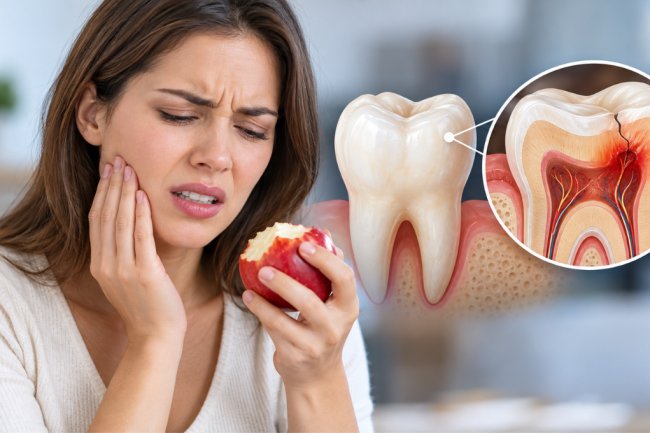
Have you ever bitten into something hard and suddenly felt a sharp sensation in your tooth? Or perhaps your dentist has discovered a crack during a routine examination, leaving you wondering what happens next.
The good news is that a cracked tooth can sometimes be saved! However, the right treatment depends on where the crack is located, how deeply it extends, and whether it has affected the inner tissues of the tooth.
Not every crack requires the same treatment. Some are minor and need little more than monitoring, while others may require a dental crown or root canal treatment to preserve the tooth.
At Sudbury Endodontics LLC, specialized endodontic care focuses on diagnosing problems inside teeth and helping patients preserve their natural smiles whenever possible.
Let's explore the different types of tooth cracks, available treatment options, and why early evaluation can make such a difference.
What Causes a Tooth to Crack?
Your teeth are strong, but they are not indestructible. Everyday habits, injuries, and gradual wear can weaken tooth structure and increase the risk of cracks.
Common causes include:
-
Biting hard foods: Ice, hard candies, and unpopped popcorn kernels can put excessive pressure on teeth.
-
Teeth grinding: Repeated clenching and grinding can place stress on enamel and underlying tooth structure.
-
Dental injuries: Sports accidents, falls, and other impacts can fracture a tooth.
-
Large fillings: Teeth with extensive restorations may have less remaining natural structure.
-
Age-related wear: Years of chewing and everyday use can contribute to tooth damage.
Sometimes, a crack develops gradually and becomes noticeable only when you experience discomfort while eating.
Learn more about cracked tooth treatment and its causes.
What Types of Tooth Cracks Can Occur?
Understanding the type of crack helps your dental professional determine which treatments may be appropriate.
1. Craze Lines
Craze lines are tiny, superficial lines in the outer enamel. They are common in adult teeth and often do not require treatment beyond routine observation unless other concerns are present.
2. Fractured Cusp
A fractured cusp occurs when a portion of the tooth's chewing surface breaks away. Depending on the extent of the damage, a restoration or crown may help protect the remaining tooth.
3. A Cracked Tooth
A crack may extend from the chewing surface toward the root. If it reaches the dental pulp, the soft tissue containing nerves and blood vessels, additional treatment may be needed.
Early evaluation is important because cracks can progress under repeated chewing pressure.
4. A Split Tooth or Vertical Root Fracture
A split tooth has developed a fracture that separates the tooth into distinct segments. A vertical root fracture extends along the root and may be difficult to detect.
These conditions can have a less favorable outlook. Depending on the location and extent of the damage, preserving the entire tooth may not be possible.
Can a Cracked Tooth Still Be Saved?
Yes, many cracked teeth can be saved, but not every crack is treatable.
The most important factors are the crack's depth, direction, location, and effect on the pulp and supporting tissues.
A minor crack confined to the enamel may simply need monitoring. A more substantial crack may require a crown to stabilize and protect the tooth.
If bacteria have reached the pulp and caused irreversible inflammation or infection, root canal treatment may be recommended alongside an appropriate restoration.
However, if a fracture extends too far below the gum line or splits the tooth in a way that makes it unrestorable, extraction may be necessary.
Your dentist or endodontist can assess the tooth and explain the realistic options. You can also explore how endodontic care helps save a cracked tooth.
Treatment Options for a Cracked Tooth
There is no single solution for every cracked tooth. Treatment is tailored to the specific problem.
Monitoring and Dental Bonding
Minor enamel cracks may need no active treatment beyond regular examinations. In selected cases, bonding with tooth-colored resin can improve appearance or repair limited damage.
Bonding is not suitable for every structural fracture.
Dental Crowns
A dental crown covers and protects a damaged tooth. It may help hold the remaining structure together and reduce the risk of further damage during chewing.
Your dentist will determine whether a crown is appropriate and whether the tooth needs additional treatment first.
Root Canal Treatment
When a crack affects the pulp and causes irreversible damage or infection, root canal treatment may be necessary.
During this procedure, the endodontist removes the affected pulp tissue, cleans and disinfects the root canal system, and seals it. A suitable final restoration, often a crown, may then be needed to protect the tooth.
The aim is to address the internal problem while preserving the remaining natural tooth whenever possible.
Read more about root canal treatment and natural tooth preservation.
Extraction in Severe Cases
If the tooth is split or the crack makes successful restoration impossible, extraction may be the most appropriate option. Your dental team can discuss replacement options when needed.
The goal is always to choose treatment based on the tooth's condition, not to promise that every cracked tooth can be saved.
What Are the Warning Signs of a Cracked Tooth?
A cracked tooth does not always cause constant pain. Some symptoms appear only during specific activities.
Watch for these common signs:
-
Sharp pain when biting or releasing your bite.
-
Sensitivity to hot or cold foods and drinks.
-
Discomfort that comes and goes.
-
Swelling or tenderness around the affected tooth.
-
Pain when chewing on one side of your mouth.
You may not be able to see the crack in a mirror. Fine fractures can be difficult to identify without a professional examination.
If you suspect a crack, avoid chewing on that side and arrange an evaluation promptly. Seek urgent care for significant swelling, fever, or rapidly worsening symptoms. Difficulty breathing or swallowing requires emergency medical attention.
For more information, read about cracked tooth symptoms and when to see an endodontist.
How Does an Endodontist Evaluate a Cracked Tooth?
An endodontist specializes in diagnosing and treating problems affecting the dental pulp and tissues surrounding tooth roots.
Your evaluation may include:
-
Clinical examination: Checking the tooth, gums, and surrounding tissues.
-
Bite testing: Identifying discomfort associated with pressure on particular parts of the tooth.
-
Pulp testing: Assessing the tooth's response to temperature or other stimuli.
-
Dental imaging: Using X-rays and, when appropriate, additional imaging to investigate the problem.
Not every crack appears clearly on an X-ray, so your provider considers multiple findings before recommending treatment.
Through advanced endodontic care, specialists can evaluate complex cases and help patients understand whether their tooth is likely to be preserved.
Learn more about specialized endodontic care for saving natural teeth.
How Can You Prevent Further Tooth Damage?
Although not every crack can be prevented, a few simple habits can help reduce the risk.
-
Avoid chewing ice and other excessively hard objects.
-
Wear a properly fitted mouthguard during contact sports.
-
Ask your dentist about a nightguard if you grind your teeth.
-
Maintain regular dental checkups.
-
Address cavities and damaged fillings promptly.
-
Avoid using your teeth to open packages or bite non-food objects.
If you already have a cracked tooth, follow your dental professional's instructions and avoid putting unnecessary pressure on the affected area until it has been evaluated.
Frequently Asked Questions
1. Can a cracked tooth heal on its own?
No. A tooth cannot naturally repair a structural crack in the way skin heals a cut. Professional evaluation can determine whether the crack needs monitoring, restoration, or more extensive treatment.
2. Does every cracked tooth need a root canal?
No. Root canal treatment is generally considered when the pulp is irreversibly inflamed, infected, or otherwise requires treatment. Cracks limited to other parts of the tooth may need a different approach.
3. Can a cracked tooth be saved if it doesn't hurt?
Yes, sometimes. A lack of pain does not establish how serious a crack is. A professional examination can identify damage and help determine the best next step.
4. Is a dental crown enough to fix a cracked tooth?
A crown may protect certain cracked teeth, but it is not suitable for every fracture. If the pulp is damaged, root canal treatment may also be necessary. Severe fractures may not be restorable.
5. When should I see an endodontist for a cracked tooth?
Arrange an evaluation as soon as possible if you notice pain when biting, unexplained sensitivity, or a suspected crack. Prompt assessment can help identify the damage before it progresses.
Conclusion: Give Your Natural Tooth a Chance
Discovering a cracked tooth can feel worrying, but it does not automatically mean you will lose it. Depending on the severity and location of the fracture, treatment may range from simple monitoring to a dental crown or root canal treatment.
The most important step is getting an accurate diagnosis. Delaying care can allow some cracks to worsen, potentially reducing the available treatment options.
At Sudbury Endodontics LLC, specialized endodontic evaluation helps patients understand their options for cracked tooth treatment and natural tooth preservation.
Have a cracked tooth or unexplained pain when chewing? Contact our team to discuss an evaluation and learn which treatment options may be appropriate for your smile.
Contact Sudbury Endodontics LLC
Address: 111 Boston Post Rd., Suite 215, Sudbury, MA 01776, United States
Phone: (978) 908-3636
Website: https://sudburyendo.com/
Appointments: Contact Sudbury Endodontics
Disclaimer: This article is for general educational purposes only. It does not replace a professional dental examination, diagnosis, or personalized treatment recommendation.
What's Your Reaction?