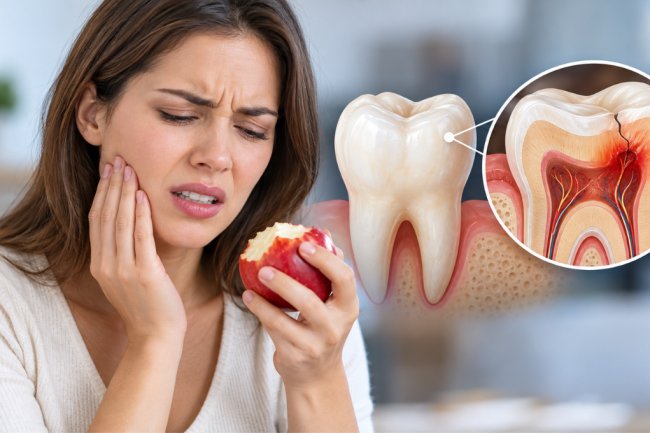
My Root Canal Tooth Still Hurts: 7 Possible Reasons You Shouldn't Ignore
Is your root canal tooth still hurting? Discover 7 possible reasons for pain after root canal treatment and when to see an endodontist in Sudbury, MA.
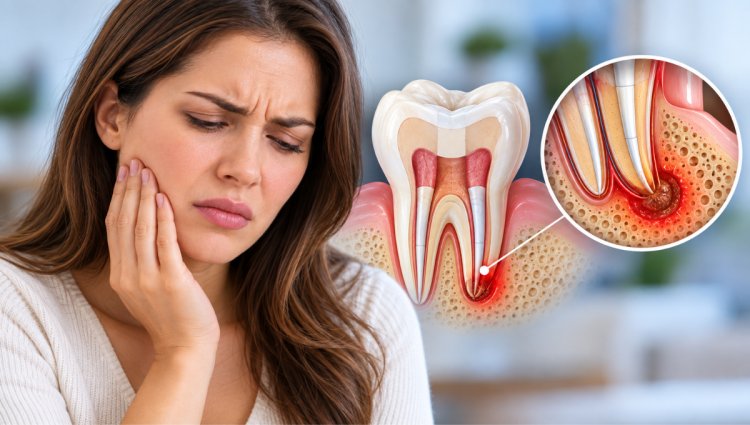
You expected your tooth pain to disappear after a root canal. Instead, you're still feeling discomfort when you bite, chew, or simply leave the tooth alone.
So, what does it mean when a root canal tooth still hurts?
Some soreness can be part of the normal healing process after treatment. However, persistent, recurring, or worsening pain deserves attention. A previously treated tooth can sometimes develop a new problem, fail to heal as expected, or have an underlying issue that requires additional treatment.
At Sudbury Endodontics, we understand how frustrating it can be to experience pain in a tooth that has already received treatment. The good news is that ongoing symptoms do not automatically mean the tooth needs to be extracted. An endodontic evaluation can help determine what's happening and whether the natural tooth can still be preserved.
Quick Answer
If your tooth hurts after a root canal, there can be several possible explanations.
The seven most common possibilities include:
-
Normal healing and temporary inflammation
-
Persistent infection
-
A new infection
-
An untreated or difficult-to-reach canal
-
A problem with the tooth's restoration
-
A crack or fracture
-
Persistent infection around the root tip
The exact cause cannot be determined from symptoms alone. Your endodontist may need to examine the tooth, review your dental history, perform diagnostic tests, and use appropriate imaging.
What Is Root Canal Pain After Treatment?
A root canal removes inflamed or infected pulp from inside the tooth. The canals are then cleaned, disinfected, and sealed so the tooth can remain in place and continue functioning.
Although the infected pulp has been removed, the tissues surrounding the tooth's root can still be irritated following treatment. This may cause some temporary tenderness, particularly when biting or chewing.
Sudbury Endodontics explains that some discomfort can occur after treatment, while proper aftercare can support a smoother recovery. You can learn more about recovery in the practice's guide to root canal aftercare.
The important distinction is between temporary post-treatment soreness and pain that persists, returns, or becomes worse.
7 Possible Reasons Your Root Canal Tooth Still Hurts
1. The Tooth Is Still Healing
One possible explanation is simply that the tissues around the treated tooth need time to heal.
After a root canal, the area around the root may remain sensitive for a period of time. You may notice tenderness when biting or pressure is placed on the tooth.
This type of discomfort should generally improve rather than continually intensify.
If your symptoms are getting better, follow the post-treatment instructions provided by your dental professional. If the pain remains significant, returns after improving, or continues longer than expected, contact your dentist or endodontist for an evaluation.
2. Infection May Still Be Present
A root canal is designed to remove infection from inside the tooth, but in some cases bacteria or inflammation can remain in areas that are difficult to access.
Complex root canal anatomy can make certain canals challenging to locate, clean, and seal completely. Persistent infection may then contribute to continuing pain or inflammation.
According to Sudbury Endodontics' information on endodontic retreatment, retreatment may involve reopening the tooth, removing existing material, cleaning the canals again, and resealing them.
Signs that may warrant evaluation include persistent pain, discomfort while chewing, swelling, gum tenderness, drainage, or recurring infection.
3. A New Infection May Have Developed
A tooth that previously had a successful root canal can develop a new problem later.
For example, new decay, damage to the tooth, or leakage around a restoration can allow bacteria to reach areas that were previously protected.
This is one reason why a root canal does not mean the tooth no longer needs regular dental care. The treated tooth still needs appropriate restoration and ongoing attention.
If pain develops months or even years after a root canal, don't assume it is simply "old root canal pain." A new evaluation can help determine whether a new infection or another issue is responsible.
4. A Canal May Have Been Missed or Difficult to Treat
Teeth can have complex internal anatomy. Some root canals are narrow, curved, or difficult to identify.
If a canal was not located or adequately treated during the original procedure, bacteria can remain inside the tooth and potentially contribute to persistent or recurring symptoms.
This is one situation in which seeing an endodontic specialist can be particularly helpful. Endodontists receive advanced training in diagnosing and treating problems involving the tooth's pulp and root canal system.
Sudbury Endodontics uses specialized techniques and technology as part of its approach to complex endodontic cases. Its root canal treatment services focus on precise treatment while preserving the natural tooth whenever possible.
5. The Tooth May Need a Better or New Restoration
The root canal itself is only one part of restoring a treated tooth.
After treatment, the tooth may need a permanent restoration to protect it and restore normal function. If the restoration becomes damaged, develops leakage, or does not adequately protect the tooth, problems can develop.
A damaged restoration may allow bacteria to enter the tooth again or leave the tooth vulnerable to further structural damage.
If your pain began after a crown, filling, or other restoration became loose, cracked, or damaged, tell your dentist or endodontist. Your treatment team can determine whether the restoration or the tooth itself is responsible for the symptoms.
6. The Tooth May Have a Crack or Fracture
A crack can be another reason a previously treated tooth starts hurting.
Cracks may cause pain when chewing or biting and can sometimes be difficult to identify because they are not always visible during a basic examination.
A tooth can also become cracked after root canal treatment, particularly if it experiences significant chewing forces or additional structural damage.
Sudbury Endodontics provides specialized care for cracked teeth and emphasizes careful evaluation because treatment depends on the location and extent of the crack.
If you notice sharp pain when biting, intermittent discomfort, or pain that seems difficult to pinpoint, ask your dental professional whether a cracked tooth could be contributing to your symptoms.
7. Infection May Persist Around the Root Tip
Sometimes the problem is located near the end of the tooth's root rather than inside the canal itself.
When infection or inflammation persists around the root tip despite previous root canal treatment, an apicoectomy may sometimes be considered.
An apicoectomy is a specialized endodontic surgical procedure that focuses on the tip of the tooth's root. Sudbury Endodontics explains that the procedure involves removing the affected root tip and infected tissue before sealing the area.
You can learn more about this treatment in Sudbury Endodontics' guide to apicoectomy and root-end surgery.
An apicoectomy is not appropriate for every painful root canal tooth. Your endodontist will first determine what is causing the symptoms and whether the tooth can be treated successfully.
Benefits / Risks / Options
Persistent pain after a root canal does not automatically mean the treatment has "failed" or that the tooth must be removed.
Depending on the cause, treatment options may include:
-
Monitoring normal healing
-
Treating a damaged restoration
-
Endodontic retreatment
-
Apicoectomy
-
Treatment for a cracked tooth
-
Treatment related to dental trauma
-
Extraction in cases where the tooth cannot be predictably saved
The appropriate option depends on the condition of the tooth, the cause of the symptoms, and the findings from your evaluation.
The goal of endodontic care is often to preserve the natural tooth whenever possible.
What to Expect When a Root Canal Tooth Still Hurts
If your treated tooth continues to hurt, an endodontic evaluation can help identify the source.
Step 1: Review Your Symptoms
Your endodontist will ask when the pain started, whether it occurs when biting, whether it is constant or intermittent, and whether you have noticed swelling or other changes.
Previous dental treatment and any history of trauma are also important.
Step 2: Examine the Tooth
The tooth and surrounding tissues can be carefully evaluated. Diagnostic testing may help determine whether the symptoms are coming from the treated tooth or another area.
Step 3: Review Imaging and Treatment Options
Appropriate dental imaging can help your endodontist evaluate the tooth, roots, surrounding bone, and other structures.
Once the cause is identified, your specialist can explain the available options and help determine whether retreatment, surgery, restorative care, or another approach is appropriate.
Root Canal Pain in Sudbury, MA
If you are experiencing pain after a root canal in Sudbury, MA, Sudbury Endodontics provides specialized care for previously treated teeth.
The practice's endodontic retreatment service is specifically designed for teeth that have not healed as expected or have developed new problems after previous root canal treatment.
Sudbury Endodontics focuses on personalized treatment, modern technology, precise diagnosis, and comfortable care while working to preserve natural teeth whenever possible.
If your tooth pain began after an accident or injury, the practice also provides care for traumatic dental injuries, which can affect the tooth's internal tissues and may require specialized treatment.
Why Choose Sudbury Endodontics?
A tooth that continues to hurt after a root canal can be complicated to diagnose. An endodontist specializes specifically in conditions affecting the dental pulp, root canal system, and tissues surrounding the roots.
At Sudbury Endodontics LLC, patients receive specialized endodontic care with an emphasis on personalized treatment planning, modern techniques, and a comfortable experience.
The practice provides care for:
-
Root canal treatment
-
Endodontic retreatment
-
Apicoectomy
-
Cracked teeth
-
Traumatic dental injuries
The practice's approach is centered on diagnosing the underlying problem and determining how the natural tooth can be preserved whenever possible.
Frequently Asked Questions
Is it normal for a root canal tooth to hurt?
Some tenderness or sensitivity can occur during the healing period after a root canal. However, persistent, worsening, or recurring pain should be evaluated by a dental professional.
How long should a tooth hurt after a root canal?
Healing varies depending on the tooth and the circumstances surrounding treatment. Mild soreness may occur after treatment, but symptoms that do not improve or that become worse should be discussed with your dentist or endodontist.
Why does my root canal tooth hurt when I bite?
Pain when biting can have several causes, including inflammation around the root, persistent infection, a new infection, a crack, or another structural or restorative problem. An examination is necessary to identify the cause.
Does pain after a root canal mean I need another root canal?
Not necessarily. Some post-treatment discomfort can be part of normal healing. If the tooth continues to cause problems, however, an endodontist can determine whether retreatment or another treatment option is appropriate.
Can a root canal tooth get infected again?
Yes. A previously treated tooth can develop a new infection or experience persistent infection in certain circumstances. New decay, cracks, restoration problems, or complex canal anatomy can contribute to recurring problems.
Conclusion + CTA
If your root canal tooth still hurts, don't automatically assume you have to live with the discomfort—or that extraction is your only option.
Persistent or recurring pain can have several causes, from normal healing to infection, complex canal anatomy, restoration problems, cracks, or inflammation around the root tip. Identifying the underlying cause is the first step toward choosing the appropriate treatment.
At Sudbury Endodontics, our goal is to provide specialized, comfortable endodontic care while preserving your natural teeth whenever possible.
If you're experiencing pain after a root canal in Sudbury, MA, contact Sudbury Endodontics for an evaluation and learn what may be causing your symptoms.
Contact Sudbury Endodontics LLC
Sudbury Endodontics LLC
111 Boston Post Rd, Ste 215
Sudbury, MA 01776, United States
Phone: (978) 908-3636
Email: Root@sudburyendo.com
Hours: Monday–Friday, 9:00 AM–5:00 PM
Saturday–Sunday: Closed
Your natural tooth may have more treatment options than you realize. Getting the cause of persistent pain evaluated can help you understand those options and move toward healthier, more comfortable dental care.
What's Your Reaction?