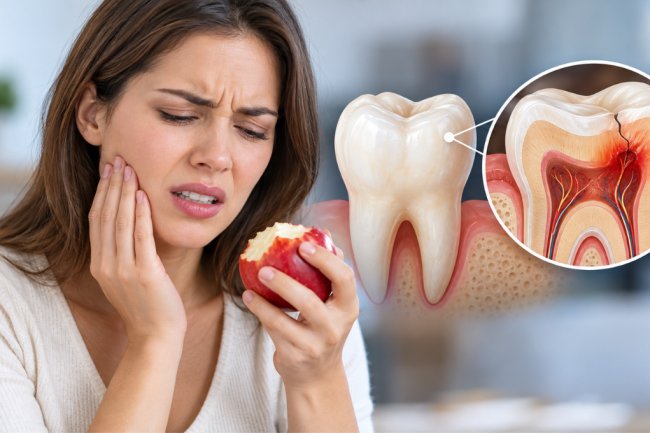
Root Canal Treatment: What to Expect Before, During, and After Your Procedure
Learn what to expect before, during, and after root canal treatment, why endodontic care may be recommended, and how Sudbury Endodontics helps preserve natural teeth.

When a dentist recommends a root canal, many patients immediately have questions. Why do I need a root canal? Will it hurt? What happens during the procedure? Can my natural tooth be saved? How long does recovery take?
These are understandable concerns.
Root canal treatment is an important part of endodontic care and may allow a damaged or diseased tooth to be treated while preserving the natural tooth. At Sudbury Endodontics LLC, the focus is on personalized care, evidence-based dentistry, modern technology, and creating a comfortable and stress-free environment for patients.
If you have been referred for a root canal or are experiencing dental discomfort, understanding the treatment process can help you feel more prepared.
You can also learn more about the practice and its approach to patient care on the About Sudbury Endodontics page.
What Is Root Canal Treatment?
Root canal treatment is an endodontic procedure designed to treat problems affecting the inside of a tooth.
When the inside of a tooth requires specialized treatment, an endodontist can evaluate the tooth and determine whether root canal therapy is appropriate.
One of the major goals of root canal treatment is to preserve the natural tooth whenever possible.
At Sudbury Endodontics, experienced endodontists use modern technology and precise techniques when performing Root Canal Treatment, with an emphasis on making the experience comfortable and efficient.
Why Might You Need a Root Canal?
A root canal may be recommended when a tooth has a condition that requires treatment of its internal structures.
Patients may be referred to an endodontist when their dentist identifies a problem that requires specialized endodontic care.
The symptoms associated with dental problems can vary from one patient to another. Some people may experience discomfort or sensitivity, while others may require evaluation because of findings identified during a dental examination.
Rather than relying only on symptoms, an endodontic evaluation can help determine what is happening and what treatment may be appropriate.
If your dentist has referred you to an endodontist, you can explore the endodontic services offered by Sudbury Endodontics.
What Is an Endodontist?
An endodontist is a dental specialist focused on conditions involving the inside of the tooth and tissues surrounding the tooth root.
Endodontic practices commonly provide specialized procedures such as:
- Root canal treatment
- Endodontic retreatment
- Apicoectomy
- Cracked tooth treatment
- Treatment of traumatic dental injuries
Sudbury Endodontics provides these specialized services as part of its approach to preserving natural teeth and addressing complex dental conditions.
You can learn more about the doctors' backgrounds and professional experience on the Meet Our Doctors page.
Root Canal Treatment at a Glance
| Stage | What It Involves |
|---|---|
| Evaluation | The endodontist evaluates the tooth and your dental concerns |
| Diagnosis | The condition of the tooth is assessed |
| Treatment Planning | A personalized treatment approach is developed |
| Root Canal Treatment | The affected internal portion of the tooth is treated |
| Preservation | The goal is to preserve the natural tooth when appropriate |
| Follow-Up | Your dentist or endodontist provides appropriate follow-up guidance |
The exact process varies depending on the patient's individual dental condition.
What Happens Before a Root Canal?
1. Your Dental Concerns Are Discussed
A good consultation starts with understanding the patient's concerns.
At Sudbury Endodontics, the team emphasizes listening to patients and creating personalized treatment plans. This is particularly important when patients are anxious about dental procedures or have questions about their recommended treatment.
You should feel comfortable discussing:
- Your current symptoms
- Previous dental treatment
- Any concerns about the tooth
- Questions about the recommended procedure
- Any anxiety you may have about treatment
You can contact Sudbury Endodontics if you have questions about arranging a consultation.
2. The Tooth Is Evaluated
Before treatment, the endodontist evaluates the affected tooth and determines what is causing the problem.
The purpose of an evaluation is not simply to treat a symptom. The goal is to understand the underlying dental condition and determine the most appropriate treatment.
This individualized approach is one reason why specialized endodontic evaluation can be important when a tooth requires complex care.
3. A Personalized Treatment Plan Is Developed
Every tooth is different, and every patient has different needs.
Sudbury Endodontics describes its approach as a collaborative, team-based process that combines clinical experience, academic knowledge, and evidence-based dentistry.
Depending on the condition, treatment could involve root canal therapy or another endodontic procedure.
The practice's complete Our Services section explains the different treatment options available.
What Happens During Root Canal Treatment?
The exact procedure depends on the tooth and its condition.
At Sudbury Endodontics, root canal treatment is performed using modern technology and precise techniques.
The objective is to address the problem inside the tooth while helping preserve the natural tooth whenever appropriate.
Patients who want more information about the procedure can visit the dedicated Root Canal Treatment page.
Is Root Canal Treatment Painful?
One of the most common concerns patients have is whether a root canal will hurt.
Dental treatment can naturally create anxiety, particularly when patients have heard stories from other people or have had difficult dental experiences in the past.
At Sudbury Endodontics, the team specifically emphasizes creating a comfortable and stress-free environment.
Your concerns should be discussed with the endodontic team before treatment so they can explain what to expect and address your questions.
Root Canal Treatment vs. Tooth Extraction
When a tooth requires significant treatment, patients may wonder why preserving the natural tooth is important.
Root canal treatment is intended to treat the affected tooth while allowing the natural tooth to remain in place when appropriate.
| Root Canal Treatment | Tooth Extraction |
|---|---|
| Treats the affected natural tooth | Removes the natural tooth |
| Designed to preserve the tooth | Tooth is no longer present |
| Specialized endodontic procedure | May require additional restorative planning |
| Can be appropriate when the tooth is treatable | May be considered when a tooth cannot be predictably preserved |
The appropriate option depends on the individual condition of the tooth. An endodontic evaluation can help determine whether root canal treatment is appropriate.
What If a Previous Root Canal Is Still Causing Problems?
A tooth that has already received root canal treatment can sometimes require additional evaluation.
If you experience discomfort after a previous root canal, an endodontist can assess the tooth and determine what treatment options may be appropriate.
Sudbury Endodontics offers specialized Endodontic Retreatment for these situations.
Retreatment is different from an initial root canal because the tooth has already received previous endodontic treatment and requires careful evaluation.
What Happens After Root Canal Treatment?
After treatment, your endodontist will provide instructions specific to your situation.
Follow-up care is important because endodontic treatment is part of your overall dental care.
Your general dentist and endodontist may work together as part of a collaborative treatment approach.
Sudbury Endodontics states that it works closely with referring dentists and patients to provide comprehensive care.
What If Root Canal Treatment Is Not Enough?
In some situations, additional endodontic treatment may be necessary.
For example, an apicoectomy may be considered when conventional root canal treatment alone does not fully address a dental problem.
An apicoectomy involves removing the tip of the tooth root and sealing the end.
Learn more about Apicoectomy Treatment at Sudbury Endodontics.
Root Canal Treatment and Cracked Teeth
Not every dental problem requiring endodontic care is the same.
A cracked tooth can create its own set of challenges and may require specialized evaluation.
Sudbury Endodontics provides Cracked Teeth Treatment for patients who require evaluation and care for cracked teeth.
If you suspect that you have a cracked tooth, professional evaluation can help determine the condition of the tooth and the appropriate next step.
What If the Tooth Was Injured?
Dental trauma can happen because of an accident, fall, sports injury, or another impact.
Sudbury Endodontics also provides treatment for Traumatic Dental Injuries.
Because dental injuries can vary significantly, treatment should be based on the individual injury and condition of the affected tooth.
Why Choose Specialized Endodontic Care?
Sudbury Endodontics emphasizes:
- Personalized treatment planning
- Evidence-based dentistry
- Modern technology
- Clinical and academic experience
- A team-based approach
- Patient comfort
- Natural tooth preservation
The practice aims to provide care in a warm and welcoming environment where patients can ask questions and understand their treatment options.
You can learn more about the practice philosophy through About Sudbury Endodontics.
Meet the Sudbury Endodontics Team
Sudbury Endodontics includes Dr. Niusha Nikkholgh and Dr. Mani Moulazadeh.
Their professional backgrounds include dental education, endodontic specialty training, clinical practice, and academic experience.
To learn more about their education and professional backgrounds, visit Meet Our Doctors.
When Should You Contact an Endodontist?
Consider contacting an endodontic office if your dentist has recommended specialized treatment or if you have a dental concern that requires endodontic evaluation.
This may include situations involving:
- A recommended root canal
- Persistent concerns after previous root canal treatment
- A suspected cracked tooth
- A dental injury
- A condition requiring evaluation around the tooth root
You can contact Sudbury Endodontics to learn more about arranging an appointment.
Final Thoughts
A root canal does not have to be a mystery.
Understanding why the procedure may be recommended, what happens during treatment, and what other endodontic options may exist can make the process easier to navigate.
At Sudbury Endodontics, the focus is on personalized care, evidence-based dentistry, modern techniques, and preserving natural teeth whenever appropriate.
For more information, explore Root Canal Treatment, review the full range of Endodontic Services, or contact Sudbury Endodontics.
Contact Sudbury Endodontics
Sudbury Endodontics LLC
111 Boston Post Rd, Ste 215
Sudbury, Massachusetts 01776, United States
Phone: (978) 908-3636
Email: Root@sudburyendo.com
Hours:
| Day | Hours |
|---|---|
| Monday | 9:00 AM – 5:00 PM |
| Tuesday | 9:00 AM – 5:00 PM |
| Wednesday | 9:00 AM – 5:00 PM |
| Thursday | 9:00 AM – 5:00 PM |
| Friday | 9:00 AM – 5:00 PM |
| Saturday | Closed |
| Sunday | Closed |
Ready to discuss your dental concern?
Contact Sudbury Endodontics
BLOG 2
Title
Cracked Teeth, Dental Injuries & Endodontic Retreatment: When Should You See an Endodontist?
Suggested Slug
cracked-teeth-dental-injuries-endodontic-retreatment
Meta Title
Cracked Teeth & Endodontic Retreatment Guide | Sudbury Endodontics
Meta Description
Learn when cracked teeth, dental injuries, or persistent problems after a root canal may require specialized endodontic care and evaluation in Sudbury, MA.
Primary Keyword
Endodontist Sudbury MA
Secondary Keywords
- cracked tooth treatment Sudbury MA
- endodontic retreatment
- traumatic dental injuries
- apicoectomy
- root canal specialist
- endodontist near Sudbury
- cracked teeth
- dental trauma treatment
- failed root canal treatment
Suggested Tags
Cracked Teeth, Endodontic Retreatment, Dental Injuries, Endodontist, Sudbury MA, Apicoectomy, Root Canal, Endodontics
Cracked Teeth, Dental Injuries & Endodontic Retreatment: When Should You See an Endodontist?
Not every dental problem is solved with a routine dental cleaning or filling.
Some conditions require specialized endodontic evaluation, particularly when a tooth has been damaged, previously treated, cracked, or affected by trauma.
A patient may be referred to an endodontist because of a cracked tooth, persistent problems after a previous root canal, an injury to the tooth, or a condition requiring treatment around the tooth root.
At Sudbury Endodontics LLC, the goal is to provide personalized endodontic care while helping patients preserve their natural teeth whenever appropriate.
The practice offers specialized care for Endodontic Retreatment, Apicoectomy, Cracked Teeth, and Traumatic Dental Injuries, in addition to Root Canal Treatment.
What Does an Endodontist Treat?
Endodontists specialize in dental problems involving the inside of the tooth and surrounding root tissues.
Their specialized services may include:
| Dental Concern | Possible Endodontic Service |
|---|---|
| Tooth requiring internal treatment | Root Canal Treatment |
| Problems following a previous root canal | Endodontic Retreatment |
| Persistent problem involving the root tip | Apicoectomy |
| Cracked tooth | Cracked Teeth Treatment |
| Dental trauma | Traumatic Dental Injury Treatment |
You can explore all of these services through the Sudbury Endodontics Services page.
Cracked Teeth: Why Early Evaluation Matters
A cracked tooth can be concerning because the extent and location of the crack can affect the tooth's condition and treatment options.
Sudbury Endodontics specifically provides Cracked Teeth Treatment.
The practice recommends seeking treatment for a cracked tooth because addressing the problem can help prevent further damage and support preservation of the natural tooth when appropriate.
If you think you may have a cracked tooth, don't rely solely on symptoms to determine the severity. An evaluation can help identify the condition of the tooth and determine what treatment may be appropriate.
Common Questions About Cracked Teeth
Can a cracked tooth be treated?
Treatment depends on the type and extent of the crack and the condition of the tooth.
An endodontist can evaluate the tooth and determine whether specialized treatment is appropriate.
For more information, visit the dedicated Cracked Teeth service page.
Why should I not ignore a cracked tooth?
A cracked tooth can potentially become more damaged over time.
Early professional evaluation can help determine the condition of the tooth and whether treatment is possible.
Sudbury Endodontics provides specialized care designed to evaluate and treat cracked teeth while focusing on preservation of the natural smile when appropriate.
Endodontic Retreatment After a Previous Root Canal
A root canal is intended to treat a dental problem and preserve the natural tooth when possible.
However, a tooth that has previously undergone root canal treatment may sometimes continue to cause problems or require additional evaluation.
This is where endodontic retreatment may become relevant.
Sudbury Endodontics provides Endodontic Retreatment for patients experiencing problems following previous root canal treatment.
Why Might a Previously Treated Tooth Need Retreatment?
There can be different reasons why a previously treated tooth may require additional evaluation.
Rather than assuming the cause based on symptoms alone, an endodontic specialist can evaluate the tooth and determine what is happening.
The goal is to develop a treatment plan based on the specific condition of the tooth.
If you are experiencing problems after previous root canal treatment, you can learn more about Endodontic Retreatment.
Retreatment vs. Initial Root Canal
Although both procedures involve endodontic treatment, they are not the same situation.
| Initial Root Canal | Endodontic Retreatment |
|---|---|
| Tooth has not previously received root canal treatment | Tooth has already received root canal treatment |
| Treatment addresses the current internal dental condition | Treatment evaluates and addresses issues associated with previous treatment |
| Individualized treatment plan | More detailed evaluation of an already-treated tooth |
| Goal may include natural tooth preservation | Goal may include continued preservation of the natural tooth |
Your endodontist will determine the appropriate treatment based on your individual situation.
What Is an Apicoectomy?
Sometimes additional treatment around the root tip is needed.
An apicoectomy is a procedure that removes the tip of the tooth root and seals the end of the root.
Sudbury Endodontics provides Apicoectomy as part of its specialized endodontic services.
The procedure may be considered in certain situations when conventional root canal treatment alone has not fully resolved the underlying problem.
An evaluation is necessary to determine whether an apicoectomy is appropriate.
Understanding Dental Trauma
Dental injuries can occur unexpectedly.
A fall, sports-related injury, accident, or other impact can damage a tooth and may require specialized evaluation.
Sudbury Endodontics provides care for Traumatic Dental Injuries.
Because every injury is different, treatment depends on the type and severity of the dental trauma.
What Should You Do After a Dental Injury?
After dental trauma, professional evaluation can be important.
Even when a tooth does not appear severely damaged externally, an evaluation can help determine the condition of the tooth and whether additional treatment is needed.
Sudbury Endodontics provides personalized treatment planning for traumatic dental injuries.
If you have experienced a dental injury and need specialized care, you can contact the office.
When Does a Cracked Tooth Become an Endodontic Concern?
A cracked tooth can involve different structures of the tooth, so evaluation is important.
An endodontist can determine whether the tooth requires endodontic treatment and whether the natural tooth can potentially be preserved.
Sudbury Endodontics' Cracked Teeth service is specifically designed for patients who require specialized evaluation and treatment.
How Are These Conditions Connected?
Cracked teeth, dental trauma, and problems after previous root canal treatment are different conditions, but they can all lead patients to seek specialized endodontic care.
For example:
Cracked Tooth → Endodontic Evaluation → Treatment Plan
Dental Trauma → Tooth Evaluation → Personalized Treatment
Previous Root Canal + Ongoing Concern → Retreatment Evaluation
Persistent Root-Related Problem → Evaluation → Possible Apicoectomy
The correct treatment depends on the individual dental condition.
Why an Individualized Treatment Plan Matters
There is no single treatment that is appropriate for every tooth.
Sudbury Endodontics emphasizes personalized treatment planning and a team-based approach.
The practice states that its team combines clinical and academic experience with evidence-based dentistry to provide current treatment approaches.
Patients can learn more about this philosophy on the About Us page.
Meet the Doctors at Sudbury Endodontics
Sudbury Endodontics includes Dr. Niusha Nikkholgh and Dr. Mani Moulazadeh.
Dr. Nikkholgh's background includes education at Boston University School of Dental Medicine and post-doctoral endodontic training.
Dr. Moulazadeh's background includes dental education at Boston University, advanced education in general dentistry, specialty training in endodontics, academic teaching, and clinical practice.
For their detailed professional backgrounds, visit Meet Our Doctors.
Sudbury Endodontics Services
Patients can explore the practice's main treatment options through the Our Services page.
| Service | When It May Be Relevant | Learn More |
|---|---|---|
| Root Canal Treatment | A tooth requires specialized internal treatment | Root Canal Treatment |
| Endodontic Retreatment | A previously treated tooth requires further evaluation | Endodontic Retreatment |
| Apicoectomy | Treatment involving the tip of the tooth root is needed | Apicoectomy |
| Cracked Teeth | A tooth has a suspected or diagnosed crack | Cracked Teeth |
| Traumatic Dental Injuries | A tooth has been affected by trauma | Traumatic Dental Injuries |
When Should You Contact an Endodontist?
Consider seeking an endodontic evaluation when:
- Your dentist recommends a root canal.
- You continue to have concerns after previous root canal treatment.
- You suspect that you have a cracked tooth.
- You have experienced trauma to a tooth.
- Your dentist recommends specialized endodontic treatment.
- You need an evaluation of a complex tooth-related condition.
You can contact Sudbury Endodontics to discuss your appointment.
What Can Patients Expect From Sudbury Endodontics?
The practice emphasizes a comfortable and welcoming environment.
Its approach includes:
- Listening to patient concerns
- Personalized treatment planning
- Evidence-based dentistry
- Modern technology
- Clinical expertise
- Academic experience
- Team-based treatment planning
- Communication with referring dentists
The goal is to provide specialized care while helping patients maintain their natural teeth whenever appropriate.
Learn more about the practice through About Sudbury Endodontics.
Frequently Asked Questions
How do I know if I need an endodontist?
Your general dentist may refer you to an endodontist when a tooth requires specialized evaluation or treatment. Conditions such as a suspected cracked tooth, previous root canal problems, dental trauma, or the need for specialized root canal care may require an endodontic assessment.
What happens if my tooth hurts after a root canal?
If you experience ongoing discomfort after previous root canal treatment, an evaluation can help determine what is happening.
Sudbury Endodontics offers Endodontic Retreatment for appropriate cases.
Can an endodontist treat a cracked tooth?
Yes. Sudbury Endodontics provides specialized Cracked Teeth care.
Does Sudbury Endodontics treat dental injuries?
Yes. The practice provides Traumatic Dental Injuries treatment.
What is an apicoectomy?
An apicoectomy removes the tip of the tooth root and seals the end of the root. Sudbury Endodontics provides Apicoectomy Treatment.
How can I learn about the doctors?
You can visit the Meet Our Doctors page to learn about Dr. Niusha Nikkholgh and Dr. Mani Moulazadeh.
Final Thoughts
A cracked tooth, dental injury, or persistent concern after a previous root canal can be stressful, but specialized evaluation can help you understand what is happening and what treatment options may be appropriate.
Sudbury Endodontics provides specialized services including Root Canal Treatment, Endodontic Retreatment, Apicoectomy, Cracked Teeth Treatment, and Traumatic Dental Injury Treatment.
If you have been referred to an endodontist or have concerns about a tooth, the next step is to arrange an appropriate professional evaluation.
Contact Sudbury Endodontics to learn more.
Contact Sudbury Endodontics
Sudbury Endodontics LLC
111 Boston Post Rd, Ste 215
Sudbury, Massachusetts 01776, United States
Phone: (978) 908-3636
Email: Root@sudburyendo.com
Office Hours
| Day | Hours |
|---|---|
| Monday | 9:00 AM – 5:00 PM |
| Tuesday | 9:00 AM – 5:00 PM |
| Wednesday | 9:00 AM – 5:00 PM |
| Thursday | 9:00 AM – 5:00 PM |
| Friday | 9:00 AM – 5:00 PM |
| Saturday | Closed |
| Sunday | Closed |
Office: 111 Boston Post Rd, Ste 215, Sudbury, MA 01776
What's Your Reaction?