Cracked Tooth Treatment in Sudbury, MA: Symptoms, Causes & Treatment Options
Have a cracked tooth in Sudbury, MA? Learn the warning signs, causes, treatment options, and when to consult an endodontist to protect your natural tooth.

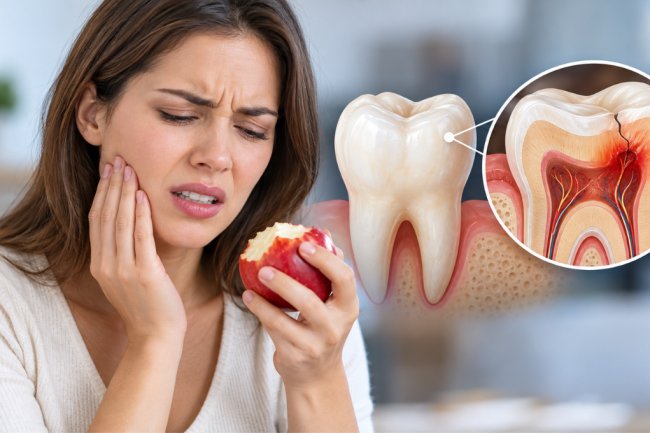
A cracked tooth can cause unexpected pain, sensitivity, and discomfort when biting. Sometimes the damage is easy to see, while other cracks are difficult to identify without a professional examination. Prompt evaluation can help determine the severity of the damage and whether the natural tooth can be preserved.
If you are experiencing tooth pain or suspect a crack, Sudbury Endodontics LLC offers specialized endodontic services, including cracked tooth care and root canal treatment in Sudbury, Massachusetts.
What Is a Cracked Tooth?
A cracked tooth is a tooth that has developed a fracture in its structure. The severity can range from a small crack in the outer enamel to a deeper fracture that extends toward the root.
Not every crack requires the same treatment. Some minor cracks affect only the outer surface, while deeper cracks may involve the pulp or compromise the tooth's ability to function.
An endodontic evaluation can help determine whether the crack affects the internal tissues and what treatment options may be appropriate.
7 Common Symptoms of a Cracked Tooth
Recognizing possible symptoms early can help you seek appropriate care.
1. Pain when biting
You may feel sharp or intermittent discomfort when chewing food or applying pressure to a particular tooth.
2. Pain when releasing your bite
Some cracks cause discomfort when pressure is released rather than when you bite down.
3. Sensitivity to hot and cold
A crack may allow temperature changes to irritate sensitive structures inside the tooth.
4. Pain that comes and goes
Cracked tooth symptoms may be inconsistent, making the underlying issue difficult to identify.
5. Discomfort while eating
Chewing on hard foods may trigger symptoms or make existing pain worse.
6. Swelling near the affected tooth
Swelling or gum tenderness can indicate inflammation or infection and should be evaluated promptly.
7. No obvious visible damage
A tooth can be cracked even when the surface looks normal. A professional examination may be needed to identify the cause.
If you recognize these symptoms, explore cracked tooth treatment or contact Sudbury Endodontics to discuss an evaluation.
What Causes a Tooth to Crack?
Several factors can contribute to a cracked tooth, including:
-
Biting down on hard foods, ice, or hard candy.
-
Accidental injuries or blows to the mouth.
-
Grinding or clenching your teeth.
-
Repeated stress from chewing.
-
Large fillings or existing structural weaknesses.
-
Sudden changes in temperature in susceptible teeth.
-
Previous dental damage that weakens the tooth.
The cause is not always obvious. Your dental professional can examine the tooth, review your symptoms, and recommend appropriate diagnostic tests.
Can a Cracked Tooth Be Saved?
In many cases, a cracked tooth may be treatable, but the outcome depends on the location and severity of the fracture.
A crack limited to the outer tooth structure may require a different approach from a fracture extending into the pulp or root. Some teeth can be restored, while severely fractured teeth may not be suitable for preservation.
An endodontist can assess the extent of the damage and explain the available options.
Learn more about Sudbury Endodontics' specialized services and its approach to preserving natural teeth.
Treatment Options for a Cracked Tooth
Treatment depends on the type of crack, the condition of the pulp, and how much healthy tooth structure remains.
Dental bonding or a filling
For selected minor fractures, a dentist may use bonding or a filling to restore the affected area.
A dental crown
A crown may be recommended when a tooth needs additional protection and reinforcement.
Root canal treatment
If the crack has affected the pulp and the tooth remains suitable for restoration, root canal treatment may be considered.
Endodontic retreatment
If a previously treated tooth develops complications, retreatment may be an option following an appropriate examination.
Apicoectomy
In selected cases involving persistent problems around the root tip, an apicoectomy may be considered.
Tooth extraction
If a fracture is too extensive for predictable restoration, extraction may be necessary.
These options are not interchangeable. Your provider will explain which treatment, if any, is appropriate for your specific tooth.
You can review root canal treatment, endodontic retreatment and other services, and practice information before your consultation.
What Should You Do If You Suspect a Cracked Tooth?
Taking sensible precautions before your appointment may help prevent additional discomfort.
-
Avoid chewing on the affected side.
-
Stay away from hard, crunchy, or sticky foods that trigger pain.
-
Continue gentle oral hygiene.
-
Do not attempt to repair the crack yourself.
-
Arrange a dental evaluation as soon as practical.
-
Explain whether the pain occurs during biting, temperature changes, or at rest.
-
Follow the dental professional's instructions for protecting the tooth.
If you experience facial swelling, fever, severe pain, or other signs of a potentially spreading infection, seek prompt professional attention. Difficulty breathing or swallowing requires emergency medical care.
For assistance with an endodontic concern, use the Sudbury Endodontics contact page.
What Happens During a Cracked Tooth Examination?
An examination typically begins with a discussion of your symptoms and dental history. The dental professional may assess your bite, examine the tooth, and use appropriate diagnostic tests or imaging.
The goal is to determine:
-
Where the crack is located.
-
Whether the pulp is affected.
-
Whether infection or inflammation is present.
-
Whether the tooth can be restored.
-
Which treatment options are appropriate.
-
Whether follow-up care is needed.
Because some cracks are difficult to detect, the final diagnosis depends on the clinical findings rather than symptoms alone.
Why Consider an Endodontist for a Cracked Tooth?
Endodontists specialize in problems involving the dental pulp and the tissues around tooth roots. Their training can be particularly relevant when a crack may involve the inner tooth structures or when the diagnosis is complex.
Sudbury Endodontics LLC offers specialized care for cracked teeth, root canal treatment, endodontic retreatment, apicoectomy, and traumatic dental injuries.
Patients can explore the practice through these website resources:
Frequently Asked Questions
1. Does a cracked tooth always hurt?
No. Some cracks cause no noticeable symptoms, while others cause intermittent pain or sensitivity. An examination is needed to determine whether treatment is required.
2. Can a cracked tooth heal on its own?
A structural crack does not grow back together like a healing cut in the skin. Professional assessment can help prevent additional damage and identify suitable treatment.
3. Can a cracked tooth cause an infection?
If a crack allows bacteria to reach the pulp, inflammation or infection may develop. Not every crack leads to infection, but symptoms should not be ignored.
4. Is root canal treatment always necessary for a cracked tooth?
No. Root canal treatment is considered when the pulp is affected and the tooth is otherwise suitable for treatment. Other cracks may require different care.
5. How quickly should I seek treatment?
Arrange an evaluation promptly, particularly if you have pain when biting, persistent sensitivity, or worsening symptoms.
6. Can a cracked tooth be saved without extraction?
Some cracked teeth can be preserved, depending on the location and extent of the fracture. Severely damaged teeth may not be restorable.
Get Cracked Tooth Care in Sudbury, MA
A cracked tooth can be uncomfortable, but early evaluation can help you understand the problem and make an informed decision about treatment.
If you suspect a cracked tooth, have unexplained pain when biting, or are experiencing symptoms following a dental injury, contact Sudbury Endodontics LLC to discuss your concerns and possible next steps.
Contact Sudbury Endodontics LLC
-
Address: 111 Boston Post Rd, Suite 215, Sudbury, MA 01776
-
Phone: (978) 908-3636
-
Email: Root@sudburyendo.com
-
Website: https://sudburyendo.com/
Contact information verified against the practice website.
What's Your Reaction?