Why Does My Tooth Hurt More at Night? 7 Common Causes
Why does your tooth hurt more at night? Explore 7 common causes of nighttime tooth pain, home care tips, warning signs, and when to see an endodontist in Sudbury, MA.
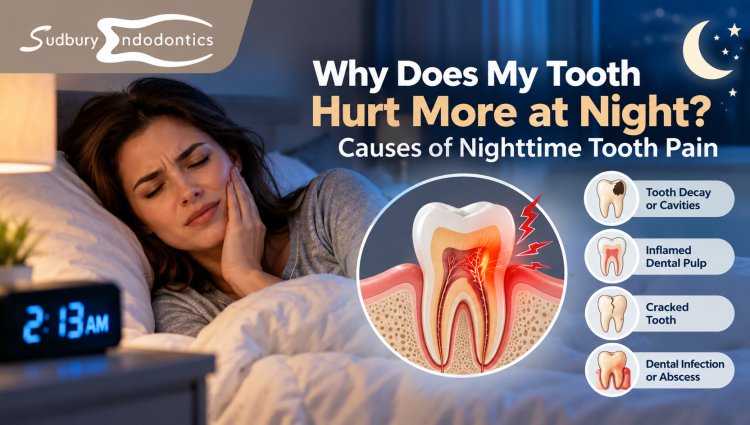
Have you ever gone to bed with a mild toothache only to find that it becomes much more painful at night? Nighttime tooth pain can make it difficult to fall asleep, interrupt your rest, and leave you feeling exhausted the next morning.
If you are wondering, “Why does my tooth hurt more at night?” you are not alone. Tooth pain that worsens at bedtime can have several causes, including tooth decay, inflammation of the dental pulp, a cracked tooth, or a dental infection.
Although nighttime tooth pain does not always indicate a serious problem, persistent or worsening discomfort should not be ignored. Understanding the possible causes can help you decide when to seek dental care and how an endodontist may help.
At Sudbury Endodontics LLC, patient education is an important part of helping people understand tooth pain and explore appropriate treatment options. Let’s look at why toothaches can feel worse at night and what you can do about them.
Why Does Tooth Pain Get Worse at Night?
There are several reasons why a toothache may seem more intense when you lie down to sleep.
When you lie flat, changes in blood flow and pressure in the head may contribute to the sensation of throbbing in an already inflamed area. However, lying down is not necessarily the underlying cause of the pain.
Another important factor is distraction. During the day, work, conversations, and everyday activities can take your attention away from discomfort. At night, when your surroundings become quiet, you may notice the pain more clearly.
Most importantly, nighttime tooth pain can be a sign of an underlying dental problem that needs professional evaluation.
7 Common Causes of Nighttime Tooth Pain
1. Deep Tooth Decay or Cavities
One common cause of tooth pain is tooth decay. When bacteria damage the protective enamel and reach the deeper layers of a tooth, you may develop sensitivity or discomfort.
Early cavities may cause little or no pain. As decay progresses toward the dental pulp, which contains nerves and blood vessels, the discomfort may become more noticeable.
You might experience:
-
Tooth sensitivity to hot, cold, or sweet foods.
-
Sharp pain when eating or drinking.
-
Discomfort that returns repeatedly.
-
Toothache that interferes with sleep.
A dental examination can help determine whether the problem is a cavity or something affecting the inner structures of the tooth.
2. Inflammation of the Dental Pulp
The dental pulp is the soft tissue inside your tooth. It contains nerves, blood vessels, and connective tissue that support tooth development and health.
Deep decay, cracks, repeated dental procedures, or an injury can cause the pulp to become inflamed. This condition is known as pulpitis.
When the inflammation is significant, the pain may occur spontaneously, become throbbing, or linger after exposure to hot or cold temperatures. Some patients find the discomfort particularly difficult to manage at bedtime.
Depending on the severity and whether the pulp can recover, treatment may involve addressing the cause of irritation or performing root canal treatment.
Learn more about root canal treatment at Sudbury Endodontics.
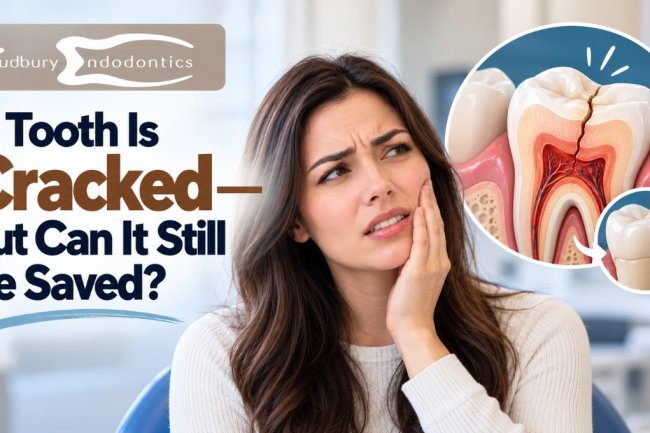
3. A Cracked or Damaged Tooth
Not every dental problem is visible when you look in the mirror. A small crack can affect the inner tissues of a tooth even when its outer surface appears normal.
Cracked teeth may cause sharp pain while biting, discomfort when releasing a bite, or sensitivity to temperature changes. Symptoms may come and go, making the problem difficult to identify.
If the crack extends into the pulp, additional treatment may be necessary. Depending on the location and extent of the damage, an endodontist may recommend root canal treatment or another procedure to preserve the tooth.
Read our related guide on tooth pain when biting even when the tooth looks fine.
4. A Dental Infection or Abscess
A dental abscess is a pocket of pus caused by a bacterial infection. It may develop around the root of a tooth when bacteria reach the pulp and spread into surrounding tissues.
Possible symptoms include:
-
Severe, persistent, or throbbing tooth pain.
-
Swelling or tenderness around the gums.
-
A bad taste in the mouth.
-
Pain when chewing.
-
Fever or facial swelling in some cases.
An abscess requires prompt professional treatment. Depending on the cause and condition of the tooth, treatment may involve root canal therapy, drainage, or extraction.
Do not attempt to drain an abscess yourself or rely on pain medication alone to treat an infection.
If you experience facial or neck swelling with difficulty breathing or swallowing, seek emergency medical attention immediately.
5. Teeth Grinding or Jaw Clenching
Some people grind their teeth or clench their jaws while sleeping without realizing it. This habit, known as bruxism, can place excessive pressure on the teeth and jaw muscles.
Repeated pressure may lead to tooth sensitivity, worn enamel, headaches, jaw soreness, or discomfort when waking up.
If your teeth or jaw hurt more in the morning, nighttime grinding may be worth discussing with your dentist. A dental examination can help identify signs of wear or damage, and a custom night guard may be recommended when appropriate.
However, persistent pain in a single tooth should not automatically be attributed to grinding, as other dental conditions may produce similar symptoms.
6. Gum Inflammation or Gum Disease
Your gums and the tissues supporting your teeth can also contribute to dental discomfort.
Gum inflammation may cause redness, tenderness, bleeding, or swelling. In more advanced cases, gum disease can affect the structures supporting the teeth and contribute to sensitivity or discomfort.
Food trapped between teeth or around the gumline may also irritate the tissues and cause localized pain.
Gentle brushing, cleaning between your teeth, and regular dental visits can help maintain gum health. If you notice persistent swelling, bleeding, or pain, arrange an examination to identify the cause.
7. Problems With a Previously Treated Tooth
A tooth that has already received root canal treatment can sometimes become painful again.
Possible reasons include a new cavity, a crack, persistent inflammation around the root, or an infection that has not fully resolved. In some cases, the tooth may require additional evaluation or endodontic retreatment.
Pain following a recent procedure can sometimes occur during normal healing. However, worsening pain, increasing swelling, or symptoms that persist beyond the expected recovery period should be discussed with your dental professional.
Learn more about endodontic services and retreatment options in Sudbury, MA.
How Can You Manage Tooth Pain at Night?
While waiting for professional dental care, a few simple steps may help you feel more comfortable temporarily.
-
Keep your head elevated: Use an extra pillow if lying flat seems to make the throbbing more noticeable.
-
Rinse gently with warm salt water: This may help soothe irritated tissues, but it will not cure a tooth infection.
-
Avoid trigger foods: Stay away from very hot, cold, sugary, or hard foods if they worsen your symptoms.
-
Maintain gentle oral hygiene: Brush carefully and clean between your teeth without irritating the painful area.
-
Use pain medication safely: If appropriate for you, follow the product label or advice from a healthcare professional. Do not place aspirin directly on your tooth or gums.
These measures may offer temporary relief, but they cannot replace diagnosis and treatment of the underlying cause.
When Should You See an Endodontist for Nighttime Tooth Pain?
Consider contacting a dental professional promptly if your toothache repeatedly wakes you up, lasts for more than a short period, or becomes increasingly severe.
An endodontist specializes in diagnosing tooth pain and treating conditions involving the dental pulp and roots. During an evaluation, the specialist may examine the tooth, review your symptoms, and use dental imaging or other diagnostic tests to identify the source of the problem.
If the pulp is irreversibly inflamed or infected and the tooth can be saved, root canal treatment may be recommended. The procedure removes the affected pulp, cleans the root canal system, and seals the tooth to help prevent further infection.
Early assessment may help prevent complications and improve the chances of preserving your natural tooth.
For more information, read our guide to signs you may need root canal treatment.
Frequently Asked Questions About Nighttime Tooth Pain
1. Why does my tooth hurt more when I lie down?
Lying flat may make throbbing discomfort more noticeable in an already inflamed area. Reduced distractions at night can also make pain feel more intense. Persistent pain should be evaluated to identify its underlying cause.
2. Can a toothache go away on its own?
Some temporary sensitivity may improve when the source of irritation is removed. However, pain that disappears does not necessarily mean the underlying problem has healed. Tooth decay, pulp damage, and dental infections may still require treatment.
3. Does nighttime tooth pain mean I need a root canal?
Not always. Nighttime tooth pain can result from cavities, cracked teeth, gum problems, grinding, or pulp inflammation. An examination by a dentist or endodontist is needed to determine whether root canal treatment is appropriate.
4. What is the fastest way to relieve tooth pain at night?
Keeping your head elevated, avoiding temperature triggers, and using suitable over-the-counter pain relief according to its directions may help temporarily. These measures do not treat the underlying cause. Seek prompt dental care for persistent or severe pain.
5. When is nighttime tooth pain a dental emergency?
Severe or persistent pain, facial swelling, fever, or swelling around the gums warrants urgent dental assessment. If swelling affects breathing or swallowing, seek emergency medical care immediately.
Get Help for Nighttime Tooth Pain at Sudbury Endodontics LLC
Nighttime tooth pain can affect your sleep, concentration, and overall quality of life. Although several conditions can cause discomfort after bedtime, persistent or worsening pain is a reason to seek professional evaluation rather than simply waiting for it to pass.
The team at Sudbury Endodontics LLC focuses on diagnosing problems affecting the inner structures of teeth and providing personalized endodontic care. Whether your symptoms are caused by pulp inflammation, a cracked tooth, or a possible infection, an appropriate evaluation can help you understand your treatment options.
If tooth pain is keeping you awake, contact the practice to discuss your symptoms and arrange an evaluation.
Contact Information
Sudbury Endodontics LLC
Address: 111 Boston Post Rd, Suite 215, Sudbury, MA 01776, United States
Phone: (978) 908-3636
Email: Root@sudburyendo.com
Website: https://sudburyendo.com/
Book an appointment: Contact Sudbury Endodontics
What's Your Reaction?